
Description
Product Overview
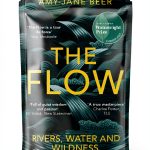
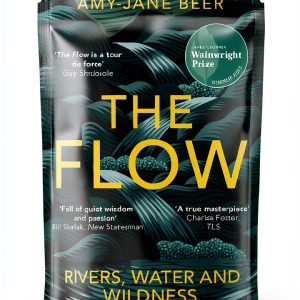
Pegasus Books presents a meticulously researched eBook that delves into the science of rivers, offering readers a comprehensive understanding of fluvial processes, watershed dynamics, and the role of rivers in shaping landscapes. Spanning 448 pages, the volume combines clear explanations with vivid illustrations, case studies, and up‑to‑date data from recent field research. Enhanced typesetting ensures optimal line spacing and font rendering on Kindle devices, reducing eye strain during extended study sessions. The file size of 8.9 MB balances high‑resolution graphics with fast download times, making the book accessible even on limited bandwidth connections. Full screen‑reader compatibility and Word Wise support further broaden accessibility, allowing visually impaired readers to navigate the content effortlessly. Published on September 23 2025, the eBook reflects the latest scientific consensus and includes references to peer‑reviewed journals, providing a reliable resource for academic coursework and independent learning alike.
The eBook is organized into eight core chapters, each building on the previous material to guide readers from basic hydrological principles to advanced river management strategies. Chapter 1 introduces the water cycle, precipitation patterns, and the fundamental physics governing flow, establishing a solid foundation for later topics. Chapter 2 examines river morphology, describing how channel shape, slope, and substrate influence velocity and sediment transport. Chapter 3 delves into the ecological dimension, highlighting the interdependence of aquatic organisms, riparian vegetation, and nutrient cycles. Chapter 4 presents quantitative methods for measuring discharge, including the use of flow meters, tracer techniques, and remote sensing data, accompanied by step‑by‑step tutorials and downloadable spreadsheets. Chapter 5 explores human impacts, such as dam construction, water extraction, and land‑use change, and evaluates mitigation approaches like ecological flow allocation and river restoration projects. Chapter 6 discusses climate change scenarios, projecting alterations in precipitation regimes, glacier melt contributions, and sea‑level rise effects on estuarine dynamics. Chapter 7 offers a series of case studies from diverse river basins worldwide, illustrating how local geology, cultural practices, and policy frameworks shape river health outcomes. The final chapter synthesizes the material into actionable recommendations for scientists, policymakers, and community stakeholders, emphasizing adaptive management and interdisciplinary collaboration. Throughout the text, the authors integrate high‑resolution satellite imagery, GIS layers, and interactive 3‑D visualizations that can be rotated and examined on compatible devices, enriching the learning experience and enabling readers to explore spatial relationships in real time. The inclusion of a comprehensive glossary, a set of practice problems with detailed solutions, and a curated list of open‑access data repositories further supports independent study and research initiatives.
Beyond the core scientific content, the eBook incorporates pedagogical tools designed to reinforce learning outcomes. Each chapter begins with a concise learning objective, followed by a summary box that highlights the most critical take‑aways. Throughout the text, sidebars provide real‑world anecdotes from field scientists, illustrating how theoretical concepts translate into practical decision‑making. The authors also include self‑assessment quizzes at the end of each major section, allowing readers to gauge their comprehension before moving on. For instructors, a downloadable instructor’s guide offers suggested classroom activities, discussion prompts, and project ideas that align with common curriculum standards in earth science and environmental studies. The digital format enables instant updates; should new research emerge, Pegasus Books can release revised chapters without requiring a new purchase, ensuring that readers always have access to the most current information. Collectively, these features transform the eBook from a static reference into an interactive learning platform suitable for both independent study and structured coursework.
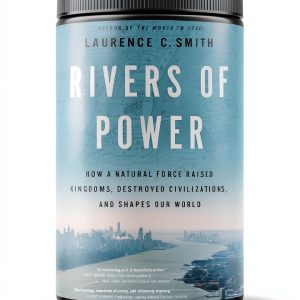
![[Product front view showing all components]](https://www.ajnex.store/wp-content/uploads/2026/06/ce0ee5082afe46dc95e7ed8e644c6d2e.jpg)
Usage
The eBook is optimized for Kindle readers, but it also works seamlessly on the Kindle app for iOS, Android, and PC, allowing users to study on any device they prefer. Whether you are a university student preparing for a mid‑term exam, a field researcher needing quick reference material while on a river expedition, or a lifelong learner exploring environmental topics during a commute, the book’s portable format ensures that essential information is always at hand. The enhanced typesetting adapts to both portrait and landscape orientations, making it easy to view detailed diagrams on larger screens or to skim text on smaller handheld devices. Screen‑reader support enables visually impaired readers to listen to chapter narrations while following along with the on‑screen text, creating an inclusive learning experience. Word Wise highlights unfamiliar terms with simple definitions, helping readers expand their vocabulary without interrupting the flow of study. The inclusion of printable PDFs for select figures allows educators to distribute hard‑copy handouts in classroom settings, while the built‑in search function lets users locate specific topics such as “river discharge” or “anthropogenic impacts” within seconds. Overall, the book serves as a versatile reference that fits into academic curricula, professional training programs, and personal enrichment plans alike.
In academic settings, instructors can assign individual chapters as required reading, using the built‑in search function to direct students to specific sections such as river discharge calculations or sediment transport mechanisms. The eBook’s printable PDFs of key figures allow teachers to create handouts for laboratory sessions, where students can measure flow rates in miniature flume models and compare their results with the theoretical values presented in the text. Because the file is lightweight and instantly downloadable, it eliminates the need for physical textbooks, reducing costs for departments and enabling rapid adoption of the latest edition. Moreover, the Word Wise feature assists non‑native English speakers by providing on‑the‑fly definitions, fostering inclusive classroom environments where all learners can participate fully.
For field professionals, the eBook serves as a portable reference that can be consulted on‑site without the bulk of printed manuals. Engineers conducting river restoration projects can quickly retrieve design guidelines, while hydrologists can access up‑to‑date discharge formulas and calibration tables directly from the device. The integrated GIS layers can be exported to compatible mapping software, allowing practitioners to overlay real‑time satellite imagery with the book’s illustrative diagrams for more accurate site assessments. Continuing‑education programs in environmental agencies also benefit from the eBook’s modular structure, enabling participants to focus on specific topics such as flood risk analysis or water‑quality monitoring without navigating unrelated content. The combination of searchable text, downloadable data, and responsive support ensures that the resource remains practical and relevant throughout the lifecycle of a project.
Why Choose Us
Pegasus Books has a reputation for publishing rigorously vetted scientific titles, and this eBook continues that tradition by delivering content that meets both academic standards and practical needs. The authors are seasoned researchers with extensive field experience, ensuring that every concept is grounded in real‑world observation and supported by quantitative data. The book’s production process includes multiple rounds of editorial review, professional proofreading, and accessibility testing, guaranteeing a polished final product free of typographical errors and compatible with assistive technologies. Enhanced typesetting and high‑resolution graphics are the result of a dedicated design team that prioritizes readability on digital screens, a crucial factor for students who spend long hours reading on tablets or e‑readers. Moreover, Pegasus Books offers a responsive customer support channel that assists readers with download issues, device compatibility questions, and requests for supplemental materials, reinforcing the company’s commitment to post‑purchase satisfaction. By choosing this eBook, readers gain access to a trusted source of knowledge, a user‑friendly reading experience, and ongoing support that together create lasting value beyond the initial purchase.
Pegasus Books adheres to a rigorous editorial workflow that begins with manuscript submission, followed by multiple rounds of peer review conducted by experts in hydrology, geomorphology, and environmental science. Each reviewer evaluates the scientific accuracy, clarity of exposition, and relevance to current research agendas, providing detailed feedback that the authors incorporate before final acceptance. The production team then applies a specialized e‑publishing pipeline that optimizes font rendering, line spacing, and image compression to meet the exacting standards of Kindle devices. This meticulous process not only enhances readability but also reduces file size without compromising visual fidelity, aligning with Pegasus Books’ commitment to sustainable digital publishing. By minimizing unnecessary data, the eBook lowers energy consumption during download and storage, contributing to a smaller carbon footprint compared with traditional print volumes. The publisher also collaborates with academic institutions to ensure that the content aligns with curriculum requirements and accreditation standards, making the book a reliable resource for course adoption. Author biographies included at the end of the eBook highlight the contributors’ extensive field experience, doctoral research, and publication records, reinforcing the credibility of the material and assuring readers that they are learning from recognized authorities in river science.
Pegasus Books extends its commitment to customers through a comprehensive after‑sales program that includes regular content updates, technical assistance, and access to an online community of river‑science enthusiasts. When new research findings emerge or corrections are required, the publisher issues revised chapters that can be downloaded directly to the reader’s device, ensuring that the eBook remains current without additional cost. Technical support is available via email and live chat, with specialists trained to troubleshoot Kindle compatibility issues, guide users through accessibility features, and provide recommendations for optimal reading settings. In addition, Pegasus Books hosts webinars and virtual workshops where authors discuss recent case studies, demonstrate data‑analysis techniques, and answer participant questions, fostering continuous learning beyond the static pages of the book. Subscribers to the publisher’s newsletter receive notifications about upcoming titles, related research articles, and exclusive discounts on complementary resources such as GIS software licenses or field‑equipment catalogs. This ecosystem of resources, combined with a responsive support team, empowers readers to apply the knowledge gained from the eBook to real‑world projects, whether they are conducting academic research, developing environmental impact assessments, or implementing river restoration initiatives. The holistic approach underscores Pegasus Books’ philosophy that education is an ongoing journey supported by reliable content, expert guidance, and a vibrant professional network.
Key Features
- Comprehensive coverage of river science across 448 pages, combining theory, case studies, and up‑to‑date research for a deep understanding of fluvial processes.
- Enhanced typesetting and high‑resolution graphics optimized for Kindle devices, providing clear text and vivid images that reduce eye strain during long study sessions.
- Full screen‑reader compatibility and Word Wise support, ensuring accessibility for visually impaired readers and helping all users expand technical vocabulary effortlessly.
- Interactive elements such as downloadable data sets, printable PDFs of key figures, and built‑in search functionality, enabling practical application of concepts in classroom and field work.
- Dedicated Pegasus Books customer service offering assistance with device issues, supplemental material requests, and post‑purchase support, reinforcing confidence in the product’s long‑term value.
FAQ
Is the eBook compatible with all Kindle models?
Yes, the file is formatted for Kindle devices and the free Kindle app on iOS, Android, and PC, so it works on all current models and most older readers that support the latest firmware.
Can I print the diagrams and maps included in the book?
Selected figures are available as high‑resolution PDF files that can be downloaded and printed for classroom use or personal study, while the main text remains digital‑only to preserve copyright.
Does the book include references for further research?
Each chapter ends with a bibliography of peer‑reviewed articles, books, and online resources, allowing readers to pursue deeper investigation of specific topics such as sediment transport or river restoration.
What support is available if I have trouble accessing the content?
Pegasus Books provides a responsive support team reachable via email or the Amazon Help Center; they can assist with download problems, device compatibility, and provide additional learning resources upon request.
For anyone seeking a reliable, up‑to‑date resource on river science, this eBook delivers depth, accessibility, and practical tools that support both learning and professional application. It is an essential addition to any environmental library.






 Miracle-Gro Compost Tumbler Dual Chamber Steel Garden Bin
  James Farm American Cheese 80 Ounce Grocery Food Item
  Spicy World Kala Namak Black Salt Vegan Egg Flavor Rock Salt
  Amazon Grocery American Cheese Slices Dairy Calcium Source
  Kindle Store Science Rivers Book by Skyhorse
  Skyhorse Rivers Science eBook Kindle Edition 577‑Page Guide
  Schreiber American Cheese Made with Milk 80 Ounce
  Rivers & Normandy Travel Guide Kindle Edition by W. W. Norton
  Premium Monitor Arm Ergonomic Design for Home Office Setup
  University of Washington Press River Science Kindle eBook 406 Pages
  Rivers of Scotland Travel Guide Bloomsbury Wildlife Kindle Edition
  Kindle Science of Rivers Illustrated Edition
  River Science eBook by Picador – 98‑Page Kindle Edition
  Kindle Store Science of Rivers Book by Skyhorse
Reviews
There are no reviews yet.